
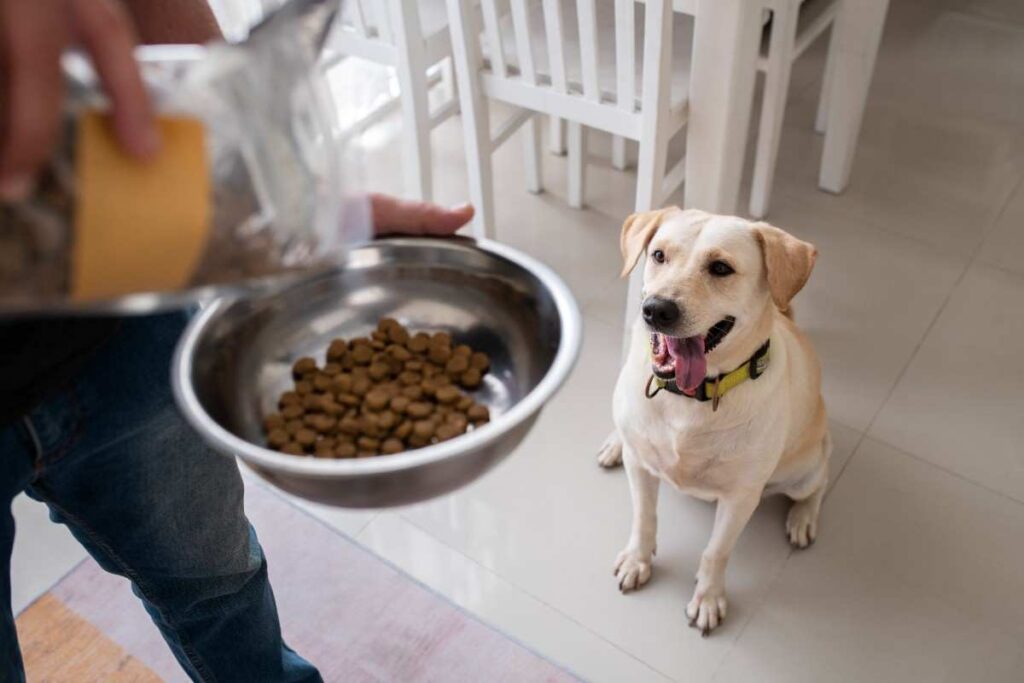
Every day, countless dogs go hungry, not because people don’t care, but because food is scarce. Many families struggle to provide even one meal, and some pets rely on shelters, rescues, or kind strangers to survive. If you have extra dog food at home—even an opened bag—you might wonder if it can still help. The answer is yes, but there are rules, safety concerns, and creative ways to make sure your gift truly reaches a dog in need.
This guide will show you where to donate opened dog food, how to donate it safely, and what to do if no one can take it.
Can You Donate Opened Dog Food?
Most large shelters and pet food banks prefer unopened, sealed bags. The reason is simple: once a bag is opened, moisture, germs, or insects can make food unsafe. A contaminated bag could harm a dog rather than help it. However, many small rescue groups, pet food pantries, or local community initiatives can accept opened food if it is resealed, clean, and fresh. The key is preparation and communication: always call first, explain the condition of the food, and follow their guidelines.
Even the most cautious shelters recognize that every little bit of food matters, but safety comes first. That’s why knowing where and how to donate makes all the difference.
Where Opened Dog Food Can Help
If you look beyond traditional shelters, there are several ways your opened dog food can make a real impact. Some pet food pantries serve families who cannot afford to buy pet food, and they sometimes accept resealed or partially used bags.
Small rescue groups often have immediate need and can use opened food immediately. Even veterinary clinics sometimes provide food to clients struggling financially, turning your extra bag into a lifeline.
If shelters cannot accept your donation, your community itself may be waiting. Neighbors, local Facebook groups, and “Buy Nothing” networks can connect you to families in urgent need.
Imagine a mother feeding her children and a small dog from the same plate; your donation could ease that burden. For some farms or wildlife programs, opened dry food can also serve other animals safely, provided it’s clean and dry.
How to Prepare Opened Dog Food for Donation
Preparation is everything. Opened bags must be resealed in airtight containers or zip-lock bags to prevent moisture and contamination. Clearly label each bag with the brand and expiration date, so recipients know exactly what they are receiving. Inspect the food carefully—if it smells bad, has bugs, or shows signs of mold, it must be discarded. Even one small bag, properly prepared, can save a dog from hunger.
Quick checklist:
- Reseal the bag in a clean container
- Label brand and expiry date
- Ensure food is fresh, dry, and pest-free
Alternatives When Shelters Cannot Accept Opened Food
Not all opened dog food will find its way into a shelter, but that doesn’t mean it’s useless. Sharing food with neighbors or local families who own pets is one of the most direct ways to help. Many communities have Facebook groups, Buy Nothing projects, or local charity boards where you can offer food safely. Veterinary clinics may also distribute food to low-income families. Dry food, if clean, may even serve as supplemental feed for farms or wildlife centers.
This approach turns your donation into immediate, real-world impact. Even a single bag of food can feed a dog for several meals and give peace of mind to a struggling family.
Safety and Health Considerations
The reason many organizations do not accept opened food is not to be difficult—it is to protect the animals. Mold, moisture, pests, and spoilage are serious risks. Donating unsafe food can unintentionally harm the very pets you want to help. Therefore, inspect each bag carefully, reseal properly, and never donate food that is expired or contaminated.
Questions to Ask Before Donating Opened Dog Food
Before delivering your food, consider asking:
- Do you accept opened dog food?
- Should it be resealed in containers?
- Are there brand or size restrictions?
- What is the best way to drop it off safely?
Calling first saves time and ensures your donation truly reaches the animals who need it.
Why Your Donation Matters
Your act of donating opened dog food is more than just giving meals—it is saving lives. Hungry dogs depend on strangers’ kindness. Families rely on your donation to keep their beloved pets safe. Every resealed bag, every thoughtful drop-off, makes a difference in the world. For pets who have lost homes or whose owners struggle financially, your food can mean the difference between hunger and health, worry and comfort.
Quick Queries
What can I do with open dog food?
Reseal it in a clean container and donate to shelters, rescue groups, or families in need. Ensure it is fresh, dry, and free from contamination.
What to do with unwanted open dog food?
Check with local pet food pantries, rescues, or vet clinics to see if they accept it. If not, give it safely to neighbors or pet owners who need it.
What can I do with an open bag of dry dog food?
Dry food can be resealed and donated to rescues, pantries, or local families. It can also be given to farms or wildlife programs that use it safely.
Can you donate food that has been opened?
Yes, but only if it’s clean, resealed, and safe. Always call the organization first to confirm they can accept it.
Conclusion
Donating opened dog food is not always simple, but it is possible, meaningful, and life-saving. With preparation, communication, and care, your extra dog food can feed hungry pets, support families, and make your community stronger. Even one small act of kindness ripples outward, creating hope, health, and happiness for animals and people alike.